

•Menu
•Tin đọc nhiều

•Tin ngẫu nhiên
-
 Nhạc
sĩ
“Mơ
hoa”
Hoàng
Giác
qua
đời
Nhạc
sĩ
“Mơ
hoa”
Hoàng
Giác
qua
đời -
 QUA
RẠP
HÁT
XƯA
–
GIÂY
PHÚT
CHẠNH
LÒNG!
QUA
RẠP
HÁT
XƯA
–
GIÂY
PHÚT
CHẠNH
LÒNG! -
 Ngủ
với
hồn
ma
Ngủ
với
hồn
ma -
 Gìn
giữ
quá
khứ
của
cải
lương
Gìn
giữ
quá
khứ
của
cải
lương -
 Ca
sĩ
Hoài
Lâm
dừng
hát
2
năm
"để
nghỉ
ngơi,
học
thêm"
Ca
sĩ
Hoài
Lâm
dừng
hát
2
năm
"để
nghỉ
ngơi,
học
thêm" -
 Gánh
Sadec
Amis
của
thầy
Thận
Gánh
Sadec
Amis
của
thầy
Thận -
 Cao
Công
Nghĩa
-
Thiện
Nhân
chính
thức
đăng
quang
"Cặp
đôi
vàng"
Cao
Công
Nghĩa
-
Thiện
Nhân
chính
thức
đăng
quang
"Cặp
đôi
vàng" -
 Những
người
chọn
lối
đi
khó
Những
người
chọn
lối
đi
khó -
 NSND
Bạch
Tuyết
tái
xuất
điện
ảnh
sau
45
năm
NSND
Bạch
Tuyết
tái
xuất
điện
ảnh
sau
45
năm -
 Nghệ
sĩ
Bạch
Long
hóa
thân
"tướng
giặc
Corona"
mang
tiếng
cười
đến
học
đường
Nghệ
sĩ
Bạch
Long
hóa
thân
"tướng
giặc
Corona"
mang
tiếng
cười
đến
học
đường

•Thống kê truy cập
 Đang
truy
cập
:
567
Đang
truy
cập
:
567
•Máy chủ tìm kiếm : 6
•Khách viếng thăm : 561
 Hôm
nay
:
72549
Hôm
nay
:
72549
 Tháng
hiện
tại
:
2967868
Tháng
hiện
tại
:
2967868
 Tổng
lượt
truy
cập
:
121235900
Tổng
lượt
truy
cập
:
121235900
 »
Tin
Tức
»
English
»
Tin
Tức
»
English

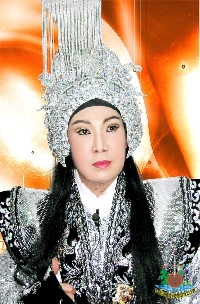
Nghệ sĩ cải lương Minh Cảnh hé lộ cuộc sống tuổi xế chiều tại Mỹ Đăng Bách Đăng Bách
Nghệ sĩ Minh Cảnh gây bất ngờ khi xuất hiện với vóc dáng phong độ ở tuổi U.90. Ông vẫn thỉnh thoảng đi hát, sống cuộc sống bình yên ở xứ cờ hoa.
Vọng Cổ : Sáu Câu (Six Phrases)
Đăng lúc: Thứ tư - 18/06/2014 08:05 - Đã xem: 5855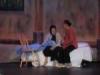
Út Bạch Lan & Minh Cảnh in " Con Gái Chị Hằng"
Modern vọng cổ is made up of six phrases of thirty-two measures. A noticeable cadence ends each sub-phrase of four measures. At this cadence, all instruments (and the vocalist) come back together, usually hitting the same note. At eight measures before the end of a phrase, the song loan is tapped twice consecutively by the leader (usually the đàn kìm player) to signify that the phrase is ending. On the last measure of a phrase, the song loan is tapped once more to make sure everyone ends together. At that point, the performers may move on to the next phrase, transition to a different song, or end completely.
Câu
Một
Vọng
Cổ
(Vọng
Cổ:
Phrase
One)
The
first
phrase
of
vọng
cổ
always
begins
with
a
rao,
an
improvised
introduction
by
all
the
musicians.
If
there
is
a
vocalist,
the
music
fades
away
and
then
he
begins
singing
the
first
line
of
text
with
no
accompaniment.
This
vocal
line,
also
part
of
the
rao,
is
improvised
in
both
melody
and
rhythm.
The
next-to-last
note
is
typically
drawn
out
for
a
very
long
time
before
the
singer
cadences
on
Hò
and
all
musicians
join
him.
This
first
declaration
is
considered
the
"crowd-pleaser,"
and
well-performed
renditions
are
always
met
with
applause
as
soon
as
the
cadence
hits.
Because
of
the
rao,
the
first
phrase
is
shortened
to
only
sixteen
measures,
with
cadences
as
follows:
Hò
---
---
Hò
---
---
---
(+)
Xê
---
---
---
Xang
---
---
---
(+)
Cống
(+)
denotes
a
song
loan
clap
The
first
Hò
at
the
beginning
of
the
table
represents
the
last
cadence
of
the
rao
introduction.
Measures
with
dashes
through
them
represent
free
improvisation
(within
the
constraints
of
the
hơi
until
the
cadence.
From
câu
một,
one
always
transitions
to
another
phrase.
Câu
Hai
Vọng
Cổ
(Vọng
Cổ:
Phrase
Two)
---
---
---
Xê
---
---
---
Xang
---
---
---
Xang
---
---
---
Hò
---
---
---
Hò
---
---
---
(+)
Xê
---
---
---
Xê
or
Xang
---
---
---
(+)
Xang
(+)
denotes
a
song
loan
clap
The
second
phrase
can
be
used
as
a
passing
phrase,
especially
in
the
"one,
two,
three"
pattern,
or
it
can
be
used
as
a
closing
phrase,
with
the
final
cadence
on
Xang
adding
an
emotional
charge
suitable
for
laments
and
grief-laden
drama.
The
preceding
cadence
floats
between
xê
and
xang,
although
xê
might
be
used
to
soften
the
transition
to
Xang
at
the
end.
Câu
Ba
Vọng
Cổ
(Vọng
Cổ:
Phrase
Three)
---
---
---
Xê
---
---
---
Xang
---
---
---
Xang
---
---
---
Xê
---
---
---
Xang
---
---
---
(+)
Cống
---
---
---
Xê
---
---
---
(+)
Hò
(+)
denotes
a
song
loan
clap
Câu
ba
(phrase
three)
usually
appears
as
a
transition
from
câu
hai
(phrase
two).
It
works
well
as
a
closing
phrase,
because
it
ends
on
Hò
(tonic).
For
the
same
reason,
one
rarely
continues
directly
from
this
phrase
to
another
one;
instead,
musicians
may
transition
to
another
song,
perform
another
rao,
then
finish
the
vọng
cổ
cycle
with
"four
->
five
->
six"
or
"five
->
six".
Câu
Bốn
Vọng
Cổ
(Vọng
Cổ:
Phrase
Four)
---
---
---
Hò
---
---
---
Xề
---
---
---
Xề
---
---
---
Xê
---
---
---
Xang
---
---
---
(+)
Cống
---
---
---
Xang
or
Xê
---
---
---
(+)
Hò
(+)
denotes
a
song
loan
clap
The
notable
aspect
of
this
phrase
is
to
distinguish
between
Xê,
with
circumflex
only,
and
Xề,
with
circumflex
and
grave
(see
diacritics
for
details).
Xê
represents
the
pitch
above
Hò
shown
previously,
while
Xề
represents
one
octave
below
that
note.
Both
are
used
in
this
phrase
as
cadences.
Câu
bốn
is
occasionally
used
as
the
opening
phrase
in
a
vọng
cổ
performance.
In
this
case,
it
is
truncated
to
sixteen
measures
(the
last
four
cadences)
and
then
merged
with
câu
một
(details
below
in
"Phrase
Order").
The
new
phrase,
which
is
treated
just
like
câu
một,
becomes:
---
---
---
Hò
---
---
---
(+)
Xê
---
---
---
Xê
---
---
---
(+)
Hò
(+)
denotes
a
song
loan
clap
Câu
Năm
Vọng
Cổ
(Vọng
Cổ:
Phrase
Five)
---
---
---
Xê
---
---
---
Hò
---
---
---
Hò
---
---
---
Hò
---
---
---
Hò
---
---
---
(+)
Xê
---
---
---
Xang
or
Xê
---
---
---
(+)
Xề
(+)
denotes
a
song
loan
clap
Câu
Năm
is
typically
not
recognized
throughout
by
its
melodic
nature,
but
by
its
rhythm.
While
other
phrases
show
stresses
on
the
beat,
this
phrase
begins
with
syncopated
stresses
and
novel
rhythms.
It
also
boasts
the
most
unique
ending
cadence,
on
the
pitch
Xề
in
the
low
register.
This
closing
cadence
is
often
referred
to
as
"xuống
xề"
(going
down
to
the
xề
pitch).
This
phrase
typically
continues
to
câu
sáu,
because
xề
does
not
have
the
melodic
finality
of
xang
or
hò.
Câu
Sáu
Vọng
Cổ
(Vọng
Cổ:
Phrase
Six)
---
---
---
Xề
---
---
---
Xê
---
---
---
Xang
---
---
---
Cống
---
---
---
Xê
---
---
---
(+)
Xề
---
---
---
Xê
---
---
---
(+)
Hò
(+)
denotes
a
song
loan
clap
The
use
of
xê
and
xề
continuously
can
be
seen
as
strengthening
the
return
to
hò
in
similar
fashion
to
the
use
of
the
"dominant"
(fifth)
in
classical
western
music.
The
finality
of
this
phrase
is
always
evident
during
performance.
Phrase
Order
The
phrases
can
be
played
in
order,
but
this
is
not
always
the
case.
Popular
combinations
of
phrases
include:
one,
two,
three
one,
two,
three,
break,
four,
five
six
one,
two,
break,
five,
six
one,
five,
six
Other
combinations
are
possible,
but
these
patterns
represent
the
majority
of
cases.
The
break
in
some
patterns
represent
a
transition
to
some
other
piece.
Possibilities
include
ngâm
thơ
(poetry
declamation,
tân
nhạc
(modern
popular
music),
nhạc
cổ
(traditional
music),
dân
ca
(folk
songs),
or
even
another
rao
(improvised
introduction).
When
one
starts
with
a
phrase
other
than
câu
một,
it''s
necessary
to
merge
the
two
phrases
(the
new
phrase
and
câu
một
to
make
a
new
opening
phrase
that
is
both
recognizeable
and
cohesive.
First,
one
can
remove
the
first
sixteen
measures,
cutting
the
phrase
to
sixteen
measures
like
câu
một
(phrase
one).
This
leaves
the
necessary
space
for
the
rao.
Afterwards,
the
phrases
are
merged,
so
that
the
first
eight
measures
are
exactly
the
same
as
câu
một
and
the
last
eight
measures
are
the
last
eight
measures
of
the
other
phrase.
This
was
how
the
diagram
for
câu
bốn
(phrase
four)
above
was
prepared.
Because
the
first,
fourth,
and
fifth
phrases
are
the
phrases
used
most
as
the
starting
phrase
after
the
rao,
this
technique
is
typically
only
used
for
the
fourth
and
fifth
phrases.
Famous
Songs
Based
on
Vọng
Cổ
As
has
been
stressed
above,
vọng
cổ
has
more
to
do
with
a
system
of
music
than
any
particular
song.
No
two
performances
of
vọng
cổ
music
will
ever
be
the
same,
and
futhermore,
writers
have
penned
many
different
verses
to
be
used
in
vọng
cổ
for
many
different
performers
and
plays.
Some
of
the
most
renowned
vọng
cổ
pieces
have
come
from
the
prolific
composer
Viễn
Châu.
Some
of
his
famous
verses
include
the
lament
by
Võ
Đông
Sơ
for
his
lover
Bạch
Thu
Hà
in
the
play
Võ
Đông
Sơ
Bạch
Thu
Hà(
sung
by
Minh
Cảnh)
and
the
lament
by
Lan
as
she
becomes
a
Buddhist
nun
in
the
play
Lan
và
Điệp
(sung
by
Út
Bạch
Lan).
Nguồn tin: VNM
Những tin mới hơn
- Actress Thanh Thanh Hoa – The Gold Medalist of the Prestigious Thanh Tam Award in 1961 (15/08/2014)
- Actress Thanh Thanh Hoa – The Gold Medalist of the Prestigious Thanh Tam Award in 1961 (19/08/2014)
- Trieu Trung Kien (29/08/2014)
- Memories (07/09/2014)
- The meaning & history of SaiGon - Ý nghĩa và lịch sử Sài Gòn (29/07/2014)
- Early days in Le Thuy’s performing career (23/07/2014)
- Sixty Zitherists perform in HCMC (03/07/2014)
- THE SURVIVAL OF THE TRADITIONAL MUSIC (NHAC CO TRUYEN) (05/07/2014)
- Actress Bich Hanh’s biography and memories (12/07/2014)
- Actor Viet Hung (28/06/2014)
Những tin cũ hơn
- Actress UT BACH LAN – An Artist’s Life is Like a Short-lived Flower (11/06/2014)
- Bach Tuyet, A Precious Gem of Cai luong (06/06/2014)
- HISTORY OF VIETNAMESE MUSIC (03/06/2014)
- Cai luong legend comes to life in photos (29/05/2014)
- Vietnam has full Vietnam has full foundation on sovereignty over Hoang Sa, Truong Sa (27/05/2014)
- Ex-ethnic beauty queen says victory made her miserable (25/05/2014)
- Vietnam provinces pledge support foreign investors after riots (18/05/2014)
- Op-Ed: The greatest Mother’s Day gift (10/05/2014)
- Traditional Vietnamese music festival kicks off in Bac Lieu (23/04/2014)
- Sad life stories of “Đờn ca tài tử” elite stars (01/04/2014)
Mã
an
toàn:


•CHUYỂN ĐẾN WEBSITE...

•Tin mới nhất
- Nghệ sĩ cải lương Minh Cảnh hé lộ cuộc sống tuổi xế chiều tại Mỹ Đăng Bách Đăng Bách
- Vũ Luân: 2 lần định kết hôn bất thành và cuộc sống độc thân tuổi 51
- NSND Lệ Thủy ôn lại thuở 'ăn quán ngủ đình' với Phượng Liên
- Nghệ sĩ Kiều Phượng Loan sửng sốt xem lại hình ảnh của mình cách đây 35 năm
- Nghệ sĩ Minh Cảnh lần đầu làm live show ở Việt Nam
-
 Nghệ
sĩ
Minh
Cảnh
lần
đầu
làm
live
show
ở
Việt
Nam
Nghệ
sĩ
Minh
Cảnh
lần
đầu
làm
live
show
ở
Việt
Nam -
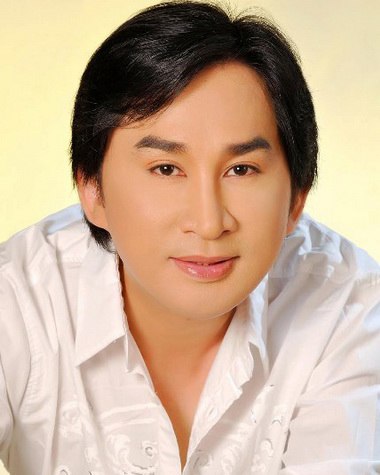 Hãy
để
cố
NSƯT
Vũ
Linh
được
yên
nghỉ
Hãy
để
cố
NSƯT
Vũ
Linh
được
yên
nghỉ -
 Trường
ĐH
Sân
khấu
-
Điện
ảnh
TP
HCM
tuyển
sinh
diễn
viên
cải
lương
Trường
ĐH
Sân
khấu
-
Điện
ảnh
TP
HCM
tuyển
sinh
diễn
viên
cải
lương -
 Nam
nghệ
sĩ
Thanh
Điền
đã
trở
thành
youtuber
chuyên
nghiệp?
Nam
nghệ
sĩ
Thanh
Điền
đã
trở
thành
youtuber
chuyên
nghiệp? -
 'Thần
đồng
cải
lương'
Linh
Tý:
Tôi
chưa
làm
điều
gì
khiến
ba
Linh
Tâm
mất
mặt
'Thần
đồng
cải
lương'
Linh
Tý:
Tôi
chưa
làm
điều
gì
khiến
ba
Linh
Tâm
mất
mặt
•Đăng nhập thành viên
- Những Vở Diễn Hay KIỆT TÁC SÂN KHẤU THẾ GIỚI: LÔI VŨ
- Nghệ Sĩ Tâm Sự Ngọc Huyền 'vẫn bị cấm hát tại Việt Nam'
- Đời Thường Nghệ Sĩ Con dâu trẻ của NSUT Thoại Miêu qua đời chưa đầy 2 năm cưới
- Đời Thường Nghệ Sĩ Nghệ sĩ Tú Sương kết hôn với Việt kiều
- Tâm Tư Thành Viên Người trong giới tự nói gì về nghệ sĩ Mỹ Châu ?
- Trân trọng cảm ơn.
- Trân trọng cảm ơn.
- Trong bầu trời nghệ thuật sân khấu cải lương, nghệ sĩ Thành Được mãi là ngôi sao sáng vĩ đại. Ông đã...
- Tôi cũng biết một soạn giả có tên YÊN BA, nhưng tên thật là PHẠM DIỆP PHƯƠNG, là quân y, KBC 7019
- Bài viết khá đầy đủ về cuộc đời của thầy Văn Hải. Có vài lỗi chính tả không nên có

•Thăm dò ý kiến
Nghệ sĩ cải lương Minh Cảnh hé lộ cuộc sống tuổi xế chiều tại Mỹ Đăng Bách Đăng Bách
Nghệ sĩ Minh Cảnh gây bất ngờ khi xuất hiện với vóc dáng phong độ ở tuổi U.90. Ông vẫn thỉnh thoảng đi hát, sống cuộc sống bình yên ở xứ cờ hoa.





Ý kiến bạn đọc