cailuongvietnam.com - English Edition
cailuongvietnam.com - English Edition
cailuongvietnam.com - English Edition
cailuongvietnam.com - English Edition
cailuongvietnam.com - English Edition
cailuongvietnam.com - English Edition
cailuongvietnam.com - English Edition
Welcome to Cải Lương Việt Nam English Edition, the only website about Vietnamese traditional music such as : cai luong, tan co giao duyen, hat boi, hat cheo….Đây là trang web của cailuongvietnam.com English Edition .Đây cũng là nơi dừng chân của những người yêu BẢN SẮC DÂN TỘC, những người thiết tha...
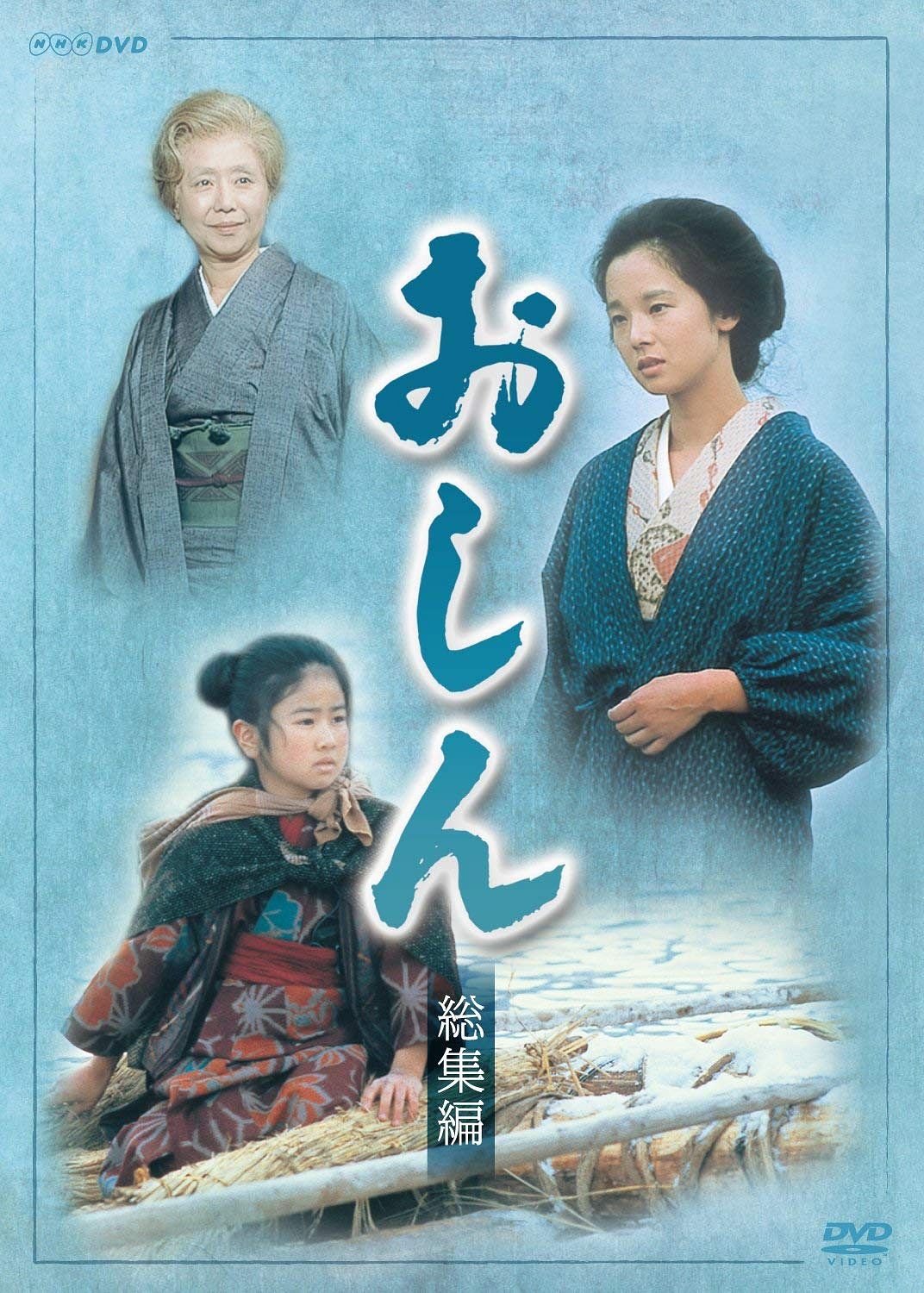
Ô sin is a common term used to describe domestic helpers in Vietnam, in addition to other words like người giúp việc, người ở, con sen, etc. — each with different degrees of respect. The term originated from a television soap opera that Japanese national broadcaster NHK aired in 1983–1984 by the same name, おしん (Oshin). The series was an epic chronicling the life of the main character Tanokura Shin from when she was born in the late Meiji period to the early 1980s. It was screened in Vietnam for the first time in 1994 on VTV1 and later in 2012 on HTV3.
Oshin is portrayed by three actresses, one for each life stage: Nobuko Otoba (middle-aged to elderly), Yuko Tanaka (adult), and Ayako Kobayashi (adolescent).
Throughout the 297 episodes of the series, Oshin’s life was marked by extreme hardships and poverty, especially during her childhood when she worked as a servant for two different families. These rather traumatizing events contributed greatly to the adaptation of her name in Vietnamese as a shorthand for servitude. During a decade with scant entertainment options, whatever was shown on state TV would inevitably become a national phenomenon, so Oshin became ô sin.
It’s interesting to note the differences in cultural impact Oshin had on two countries, though the series was widely popular in both. The Japanese practice of adding o (お) to a person’s name started from the Muromachi period (1336–1573) to show respect and politeness, so right from the series name, Oshin is already established to be a revered figure. In Japan, Oshin is often seen as a symbol of resilience and courage, and the “Oshin diet” refers to a period of economic downturn in the 1980s, when Japanese had to make do with eating rice with daikon. In Vietnam, however, the connotation of “ô sin” has gradually skewed negative over time, and is most often used in either humorous or derogatory contexts today.
Written by Khôi Phạm.
Reader Comments
Newer articles
Older articles
 Le Thuy – 50-Year Career in Performing
 The magic of the Vong Co song
 NS Hong Nga: Going to the US to live a difficult life, being neglected by her children, returning to Vietnam to be sick and lonely
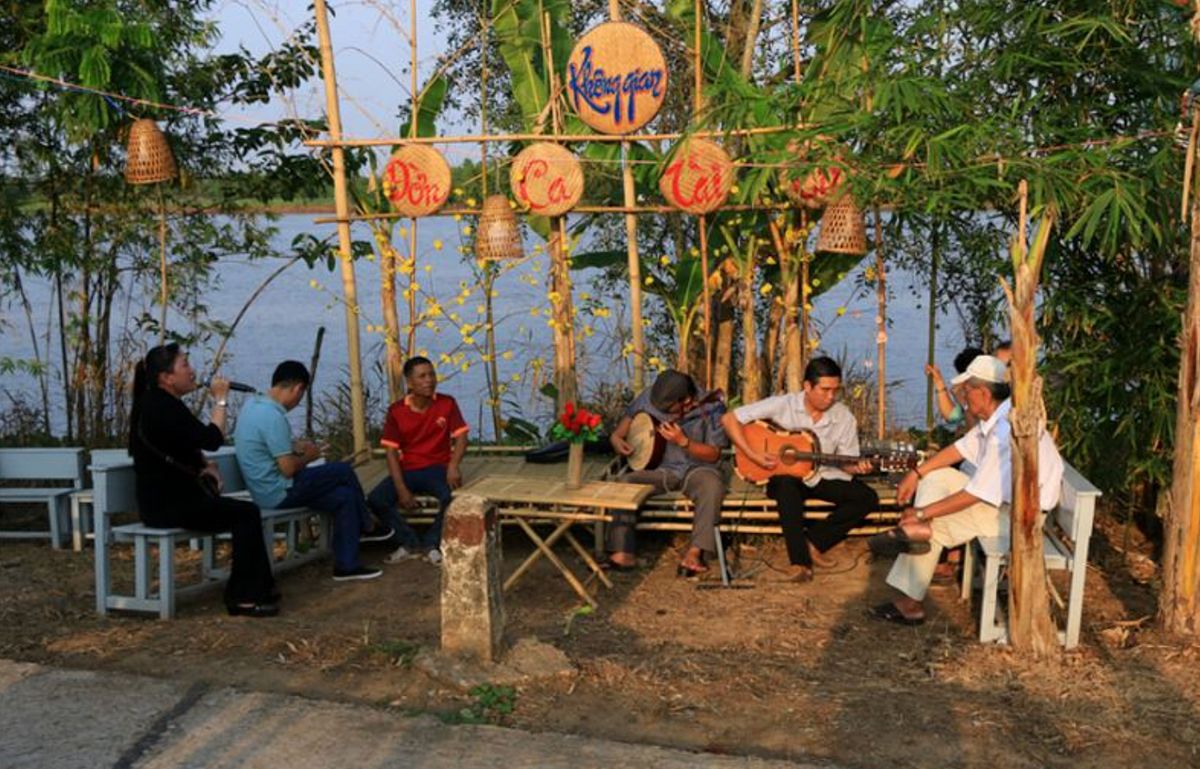 Đờn Ca Tài Tử Captures the Soul of Southern Vietnam in Every Melody, Every Word
 Dustin Nguyen jump starts his career and a new life
 Legendary cai luong singer Thanh Duoc passes away in US
 Actress Thanh Thanh Hoa – The Gold Medalist of the Prestigious Thanh Tam Award in 1961
 After Decades Under the Bed, a 1974 Vietnamese Film Finds an Audience Online
Đờn Ca Tài Tử Captures the Soul of Southern Vietnam in Every Melody, Every Word
After Decades Under the Bed, a 1974 Vietnamese Film Finds an Audience Online
Đờn Ca Tài Tử Captures the Soul of Southern Vietnam in Every Melody, Every Word
 THE SURVIVAL OF THE TRADITIONAL MUSIC (NHAC CO TRUYEN)
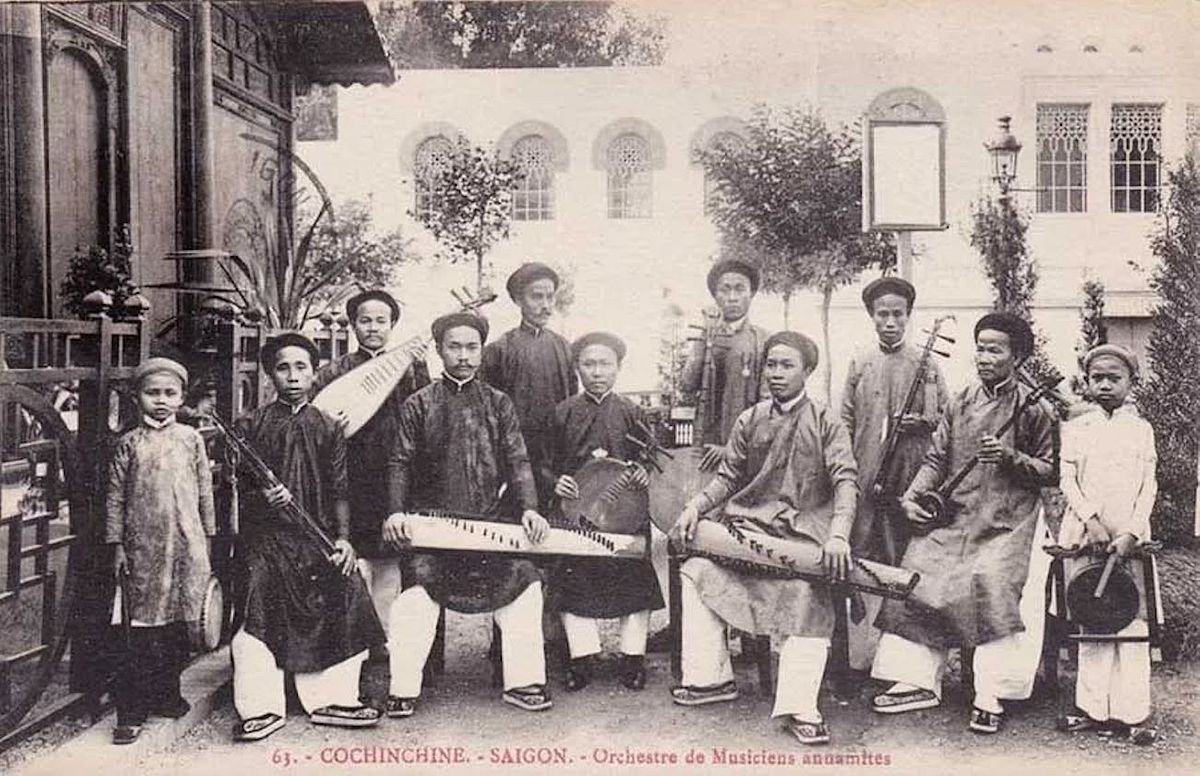 From TikTok to Bars, a Group of Young Artists Brings Đờn Ca Tài Tử to Unexpe
 Two Vietnamese films compete at Da Nang Asian Film Festival 2026
 ACV Proposes Moving 90% of Saigon's Oversea Flights to Long Thanh
 22nd Anniversary Birthday Cake for the Website cailuongvietnam.com
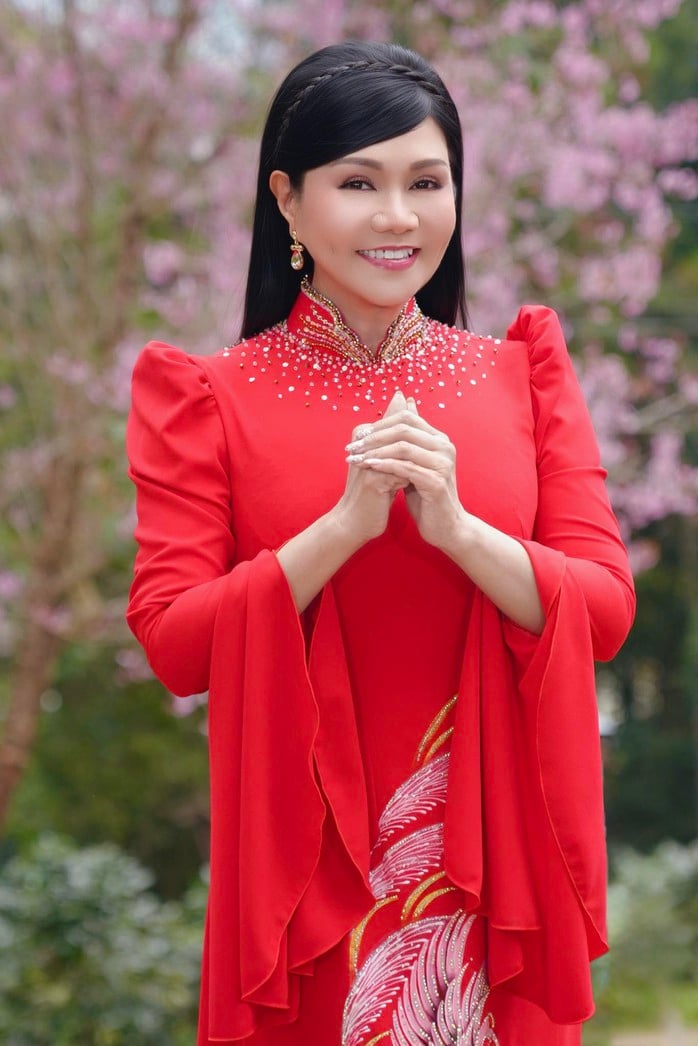 "Love Story," a journey back to the stage memories of Meritorious Artist Ngoc Huyen.
 Inside Chôl Chnăm Thmây, the Festive New Year of Saigon's Khmer Community
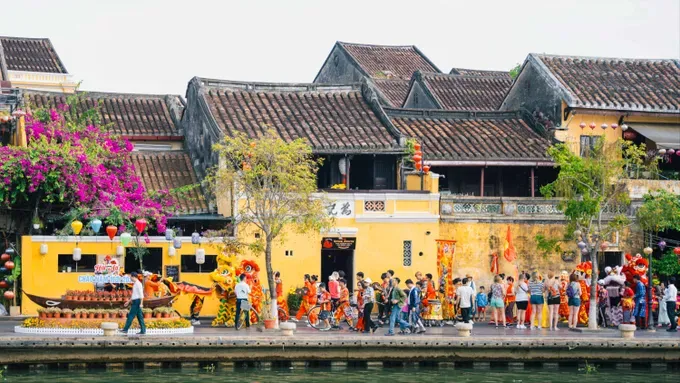 Nguyen Tieu Festival held in Hoi An
 Princess Huyen Tran Festival opens in Hue
 Every Bánh Chưng Season, Vietnam’s Lá Dong Capital Comes Alive With Harvest Frenzy
 Fireworks to illuminate 16 locations across HCMC on Lunar New Year’s Eve