cailuongvietnam.com - English Edition
cailuongvietnam.com - English Edition
cailuongvietnam.com - English Edition
cailuongvietnam.com - English Edition
cailuongvietnam.com - English Edition
cailuongvietnam.com - English Edition
cailuongvietnam.com - English Edition
WELCOME TO THE ONLY CAILUONG VIET NAM WEBSITE IN ENGLISH Please , click below to visit other Vietnamese pages of cailuongvietnam.com CLVNCOM2CLVNINFOFORUM
This intriguing invitation appeared on my social media, a whimsical suggestion in the middle of Saigon. As someone who grew up to the sounds of Mekong Delta folk melodies, I was immediately curious of the promise of a đờn ca tài tử experience inside a city bar. Upon doing more research, I learned that the venue was just one of many spontaneous stages of Đờn Ca Đó Đây, a collective of young Vietnamese who found one another in their quest to promote the beauty of southern đờn ca tài tử arts in the mid of Saigon.
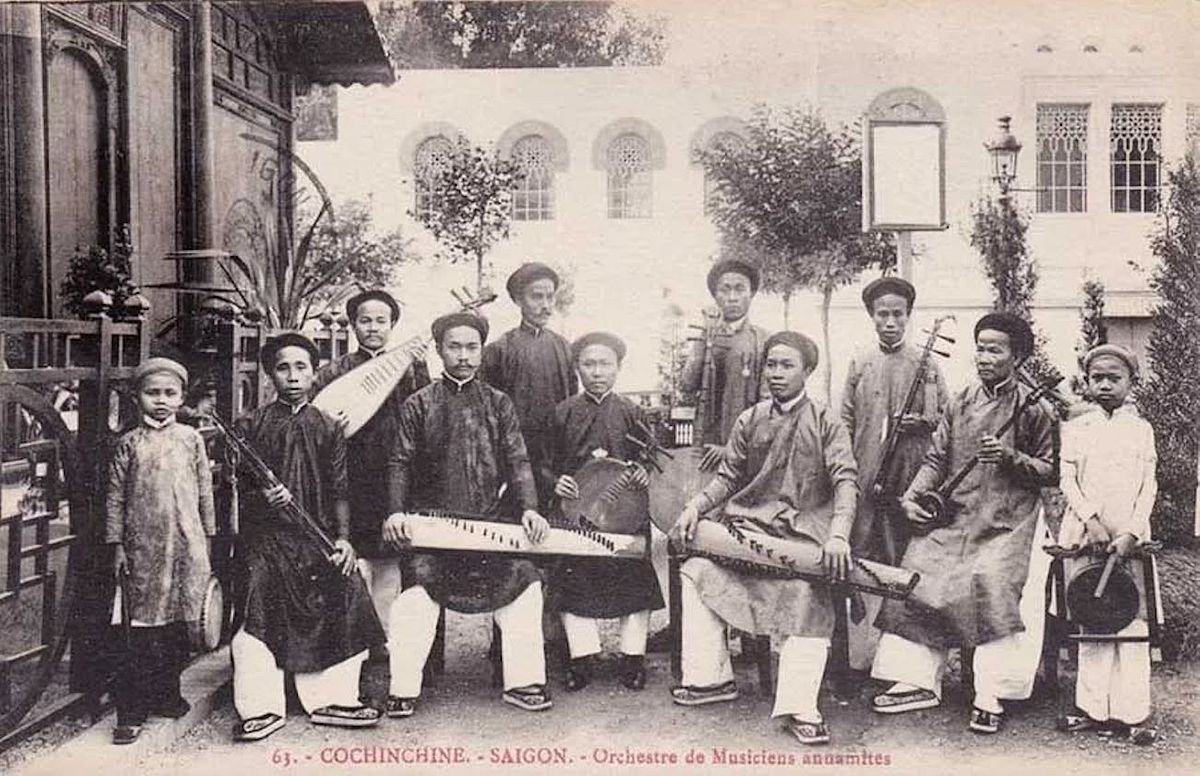
As a performance art form, southern đờn ca tài tử has been around for over a hundred years. This genre of folk performance had its start in the ceremonial orchestral music from Huế — which originated from court music itself — but under the influence of folk music in the south. At first, it followed musicians and artists from the central region as they emigrated to the south, and then was adapted to the local culture. Đờn ca tài tử reflects the sentiments, spirits, and living circumstances of communities living in this new land of natural resources. The end of the 19th century was the apex of đờn ca tài tử, when melodies,compositions, and techniques were created and systematized in documentations, becoming a comprehensive wealth of folk art that has continued to exist alongside southern Vietnamese.
A đờn ca tài tử troupe in Saigon in 1911. Photo via Wikipedia.
I managed to arrange a phone call with Đỗ Thanh Phong, the leader of Đờn Ca Đó Đây, on an afternoon when I was visiting my hometown in the delta. I sat on the deck in the back of our homestead, with a placid river and thickets of swaying mangroves in front of my eyes, as I listened to Phong’s stories. Our conversation flowed in and out amid the rustling breeze and memories of a đờn ca lover living in Saigon. These contrasting settings somehow meet in the middle, where these melodies ring.
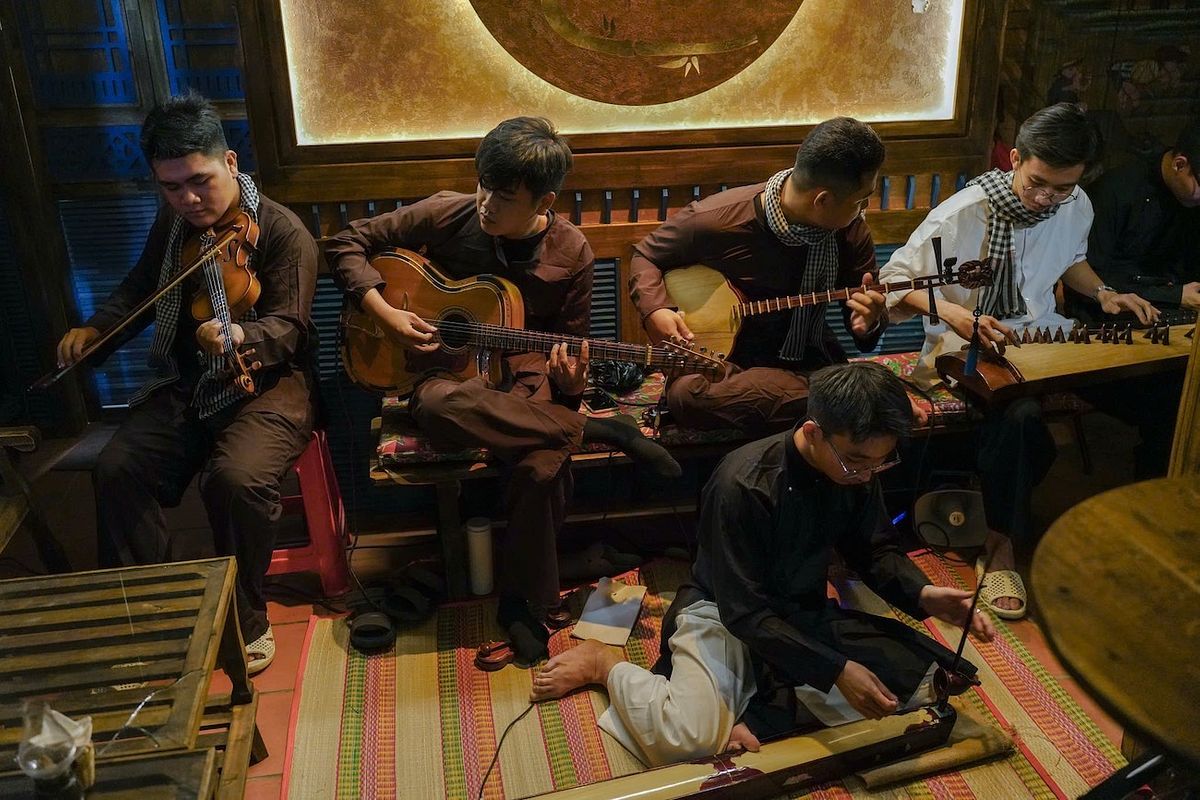
Members of Đờn Ca Đó Đây.
Although Phong is quite busy handling tasks at his own office job, he still channels as much effort as he can to sustain folk arts. Phong himself can play đàn tranh, or Vietnamese zither, on a novice level, and is tasked with connecting collective members, envisioning group directions, and helping to maintain cohesion without losing freedom.
Phong reminisced about the early days at Lê Văn Tám Park in Saigon, where they first convened to play together: “Back in the days, we often met at the park. Right in between busy streets and crazy traffic, there was one corner where the mood turned contemplative thanks to the music and vocals. A few instruments and a few music lovers can carve out a very distinctive space for art.”
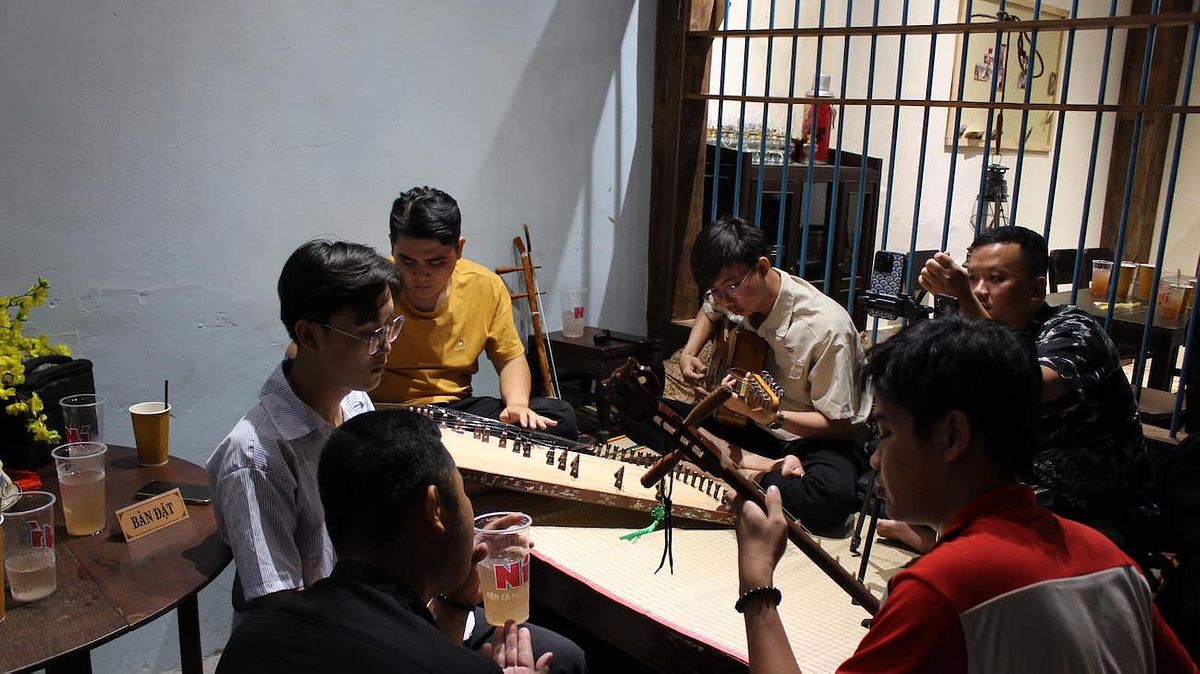
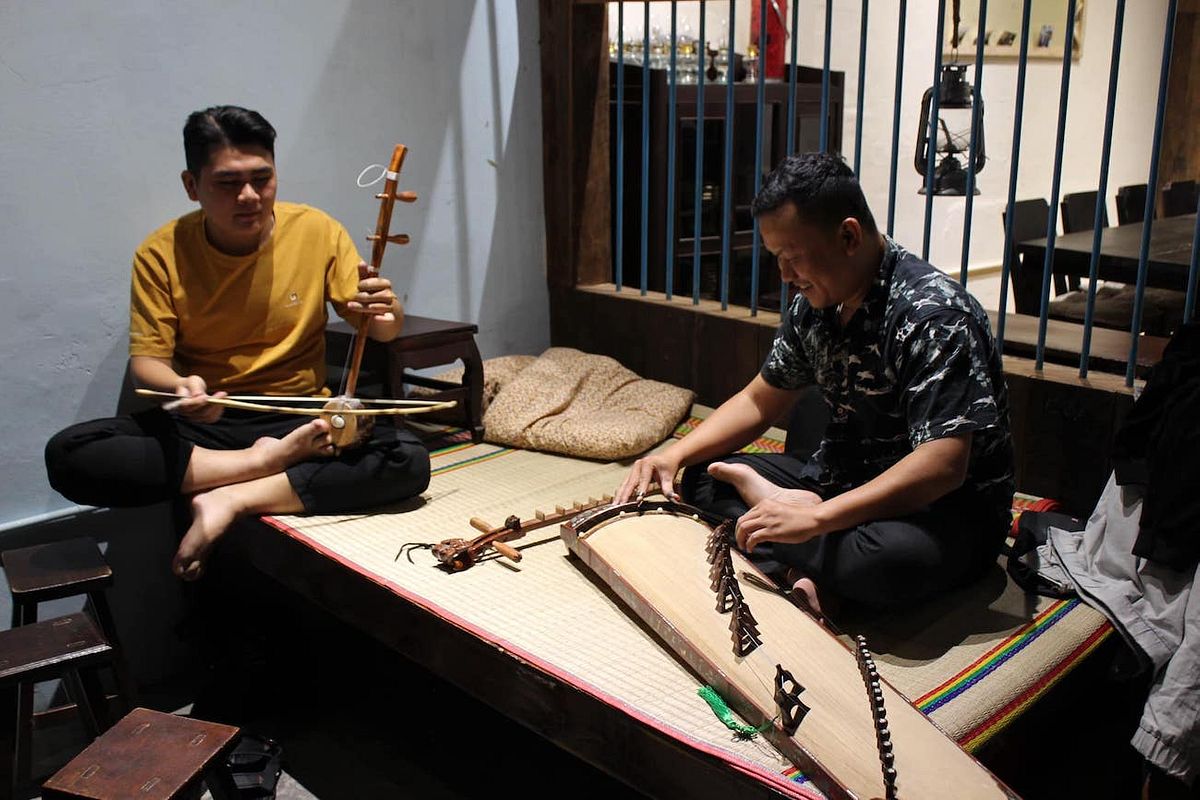
A practice session at a cafe.
From such rustic setups, Đờn Ca Đó Đây gradually took shape. Members come from different walks of life: a teacher, a worker, an engineer, a student, etc. Albeit not professionally trained, they all share a passion for đờn ca tài tử and cải lương. The collective found one another first via social media, and then started organizing offline meetings from the beginning of 2025 at the park. In March 2025, the group became more organized and began performing at casual venues like eateries, schools, exhibitions, and especially bars, bringing a novel experience to listeners.
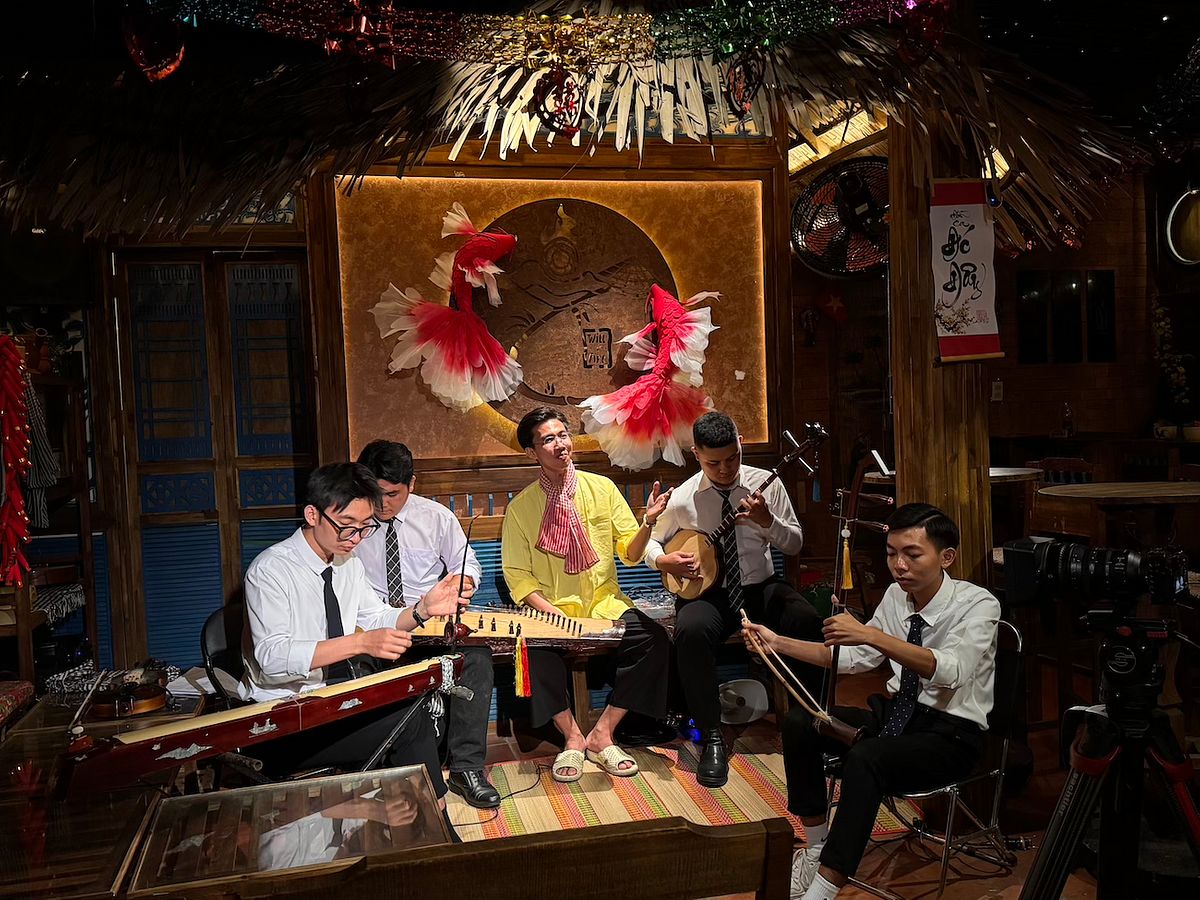
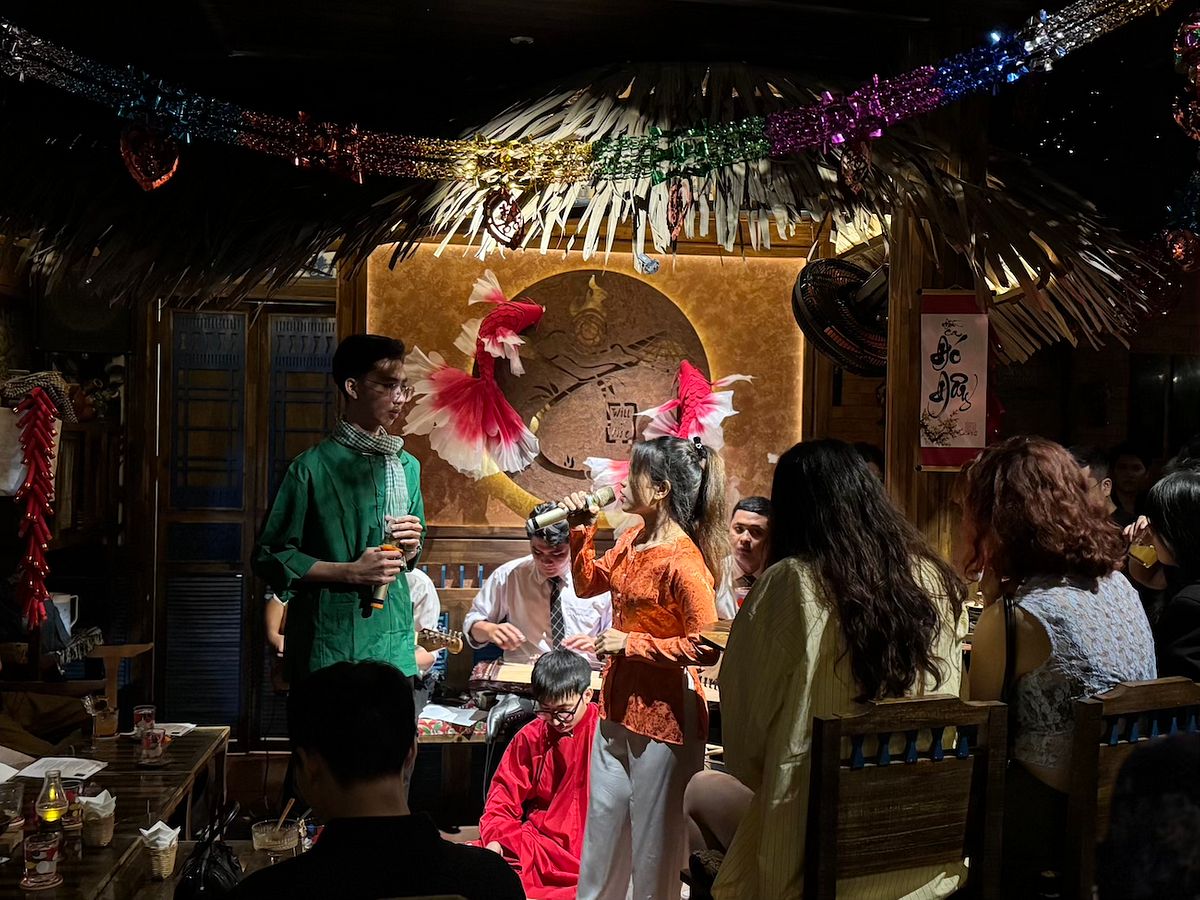
show by Đờn Ca Đó Đây at Hai Tô Bar.
Many key members of the group’s current roster were recruited from chance encounters. Phong recalls: “I got to know one of them when he was just in 11th grade in Đồng Tháp, via his practice videos on TikTok. We started chatting about instruments. When he moved to the city for college, he asked to meet me. When we met, I recognized his musical talent straight away, so I connected him with other members. Since then, he’s been in
charge as our music expert, establishing the musical identity of the group, in addition to musical arrangement and editing our content.”
Another member who works as a teacher for his day job can make use of his pedagogy skills to facilitate the group’s school outreach programs. He is tasked with writing the script, planning the content, and executing it in a way that’s accessible and educational so the knowledge can reach the school children.
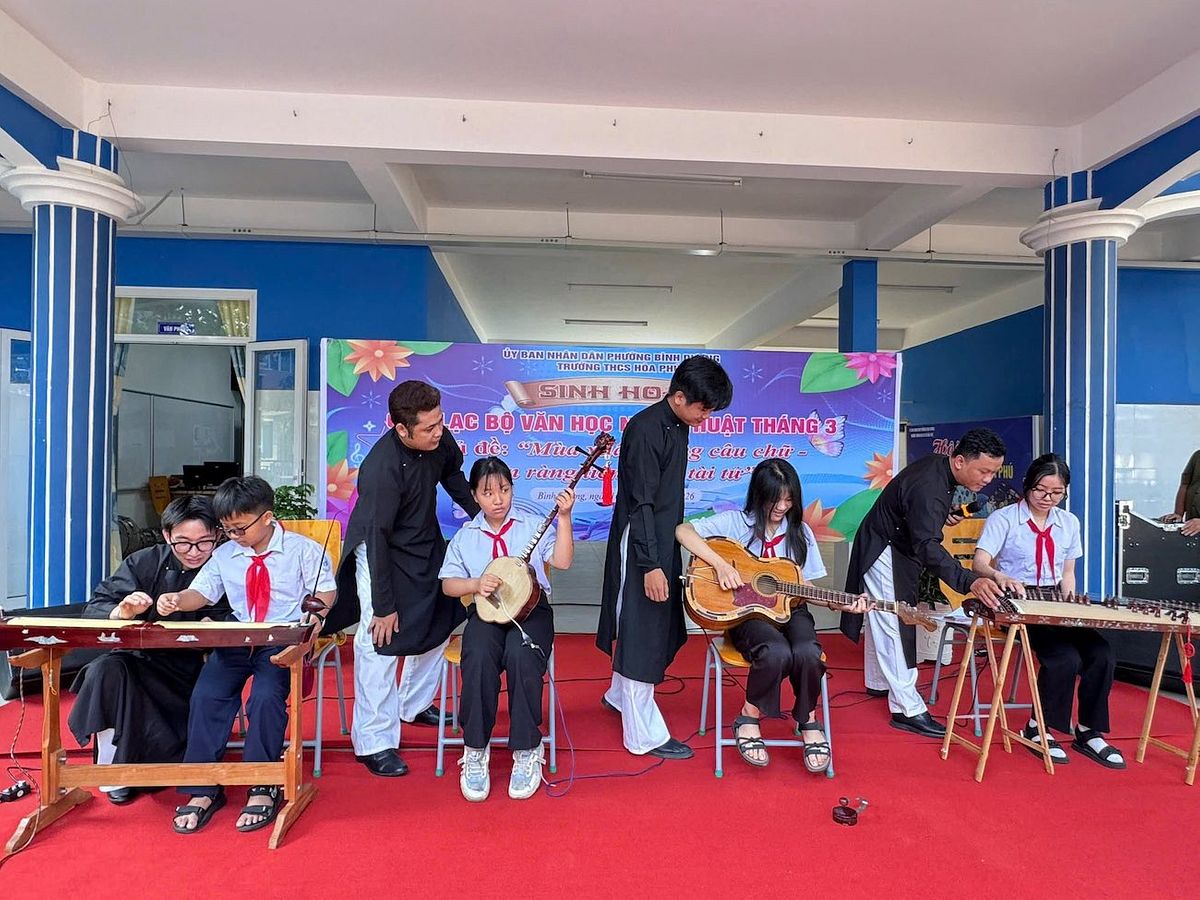
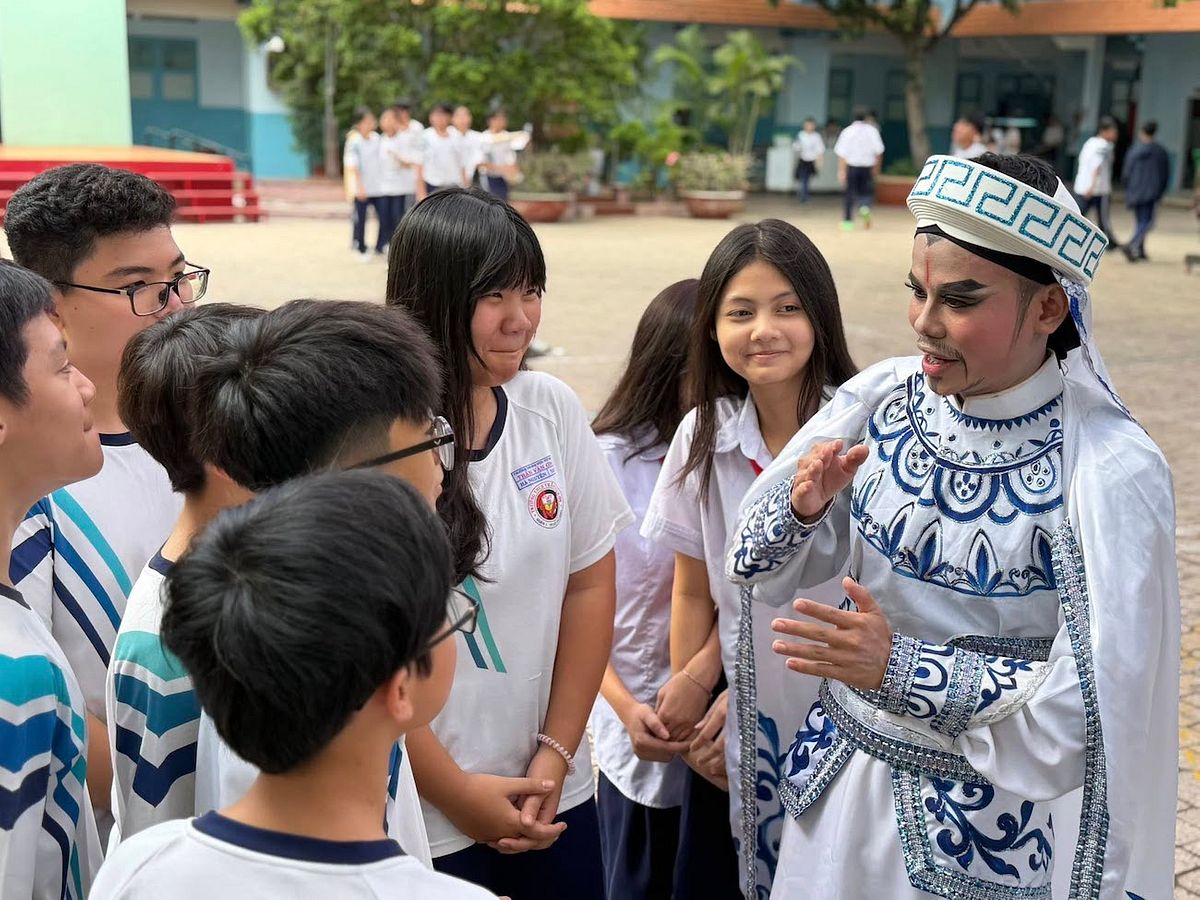
romoting the art of đờn ca tài tử to the younger generation at their school.
Right from the name Đờn Ca Đó Đây, the collective is very clear about their operation philosophy. It can be loosely translated as “performing here and there,” reflecting the group’s “nomadic” nature. They can perform at a range of different venues and not just on stage, for anyone who is interested enough to listen and connect. Music then, can transcend the confines of a one-way performance to be a two-way interaction. The performers and
the spectators are brought closer.
Regarding đờn ca tài tử, they are aware that the art form’s biggest barrier is the public’s stigma. Đờn ca tài tử and cải lương are usually thought of as sentimental, obsolete, and inapproachable. Nonetheless, they believe that these are not inherent to the music, but could be the result of the execution and communication, so they try to present đờn ca using a language of the modern society. The performance content is adjusted to reflect more familiar social issues like career pressures, urban ailments, and the mental state of young people. The execution is also refreshed to fit each venue and its audience.
The performances at local bars have been especially acclaimed for their high interactivity. Each night is written separately, so actors can improvise their script to fit the particular bar.
Besides, the group has been writing new lyrics based on traditional melodies like lý so they depict the contemporary state of southern provinces. These compositions showcase the cultural, geographical, and social shifts today while retaining the structure and spirit of the original version. Phong showed me a paragraph lionizing VĨnh Long after the national province merger, set to the tune of ‘Lý Đêm Trăng’:
From today, our home Vĩnh Long has been renewed
Alongside Trà Vinh and Bến Tre, land of the coconut trees,
Together we can build our hometown
Come here, take a trip around Ao Bà Om
Head to the old kilns of Mang Thít
Drop by the fruit groves of Cái Mơn
Wherever you go, don’t forget our beloved home
How lovely is Vĩnh Long, our home
In another video, Phong gives an example of how the group interacted with the audience, via these news lyrics sung in the tune of ‘Lý Chim Xanh”:
My home is at the bottom tip of Cà Mau
Oh how I adore this land of Đất Mũi at the south of the map
In Năm Căn, an unforgettable song; In Đầm Dơi, a lovely place
Endless green mangroves in U Minh, where the love runs deep
Sustaining an independent folk music troupe is not a cakewalk. Phong explains: “Where to perform and interact with the audience is the biggest struggle. Official venues don’t prioritize grassroots performers, so our activities are often spontaneous and fully independent. Besides, the older generations are still quite wary of our new approach to this old art form.”
A performance at the “Thanh Kiều” exhibition.
Despite the hurdles, the positive reception from Saigoneers is a crucial factor motivating Đờn Ca Đó Đây. Phong proudly tells me about a woman in Đồng Tháp who messaged to gift them sets of brown áo bà ba to boost the authenticity of the performances.
After sharing the clips online, another fan sent over a pack of southern checkered scarves. Not long after, someone else donated more colorful áo ba ba so the group “don’t look so monotonous.” And just like that, clothing items like áo dài, khăn đóng started arriving from across the country to keep their morale high.
Phong also met a Việt Kiều visiting from years abroad at a performance, which moved him to tears, and invited them overseas to participate in cultural exchange programs. On the other hand, right at rustic venues like in public parks, many older uncles and aunties would stop by to listen to music and tear up seeing young people being in touch with folk music.
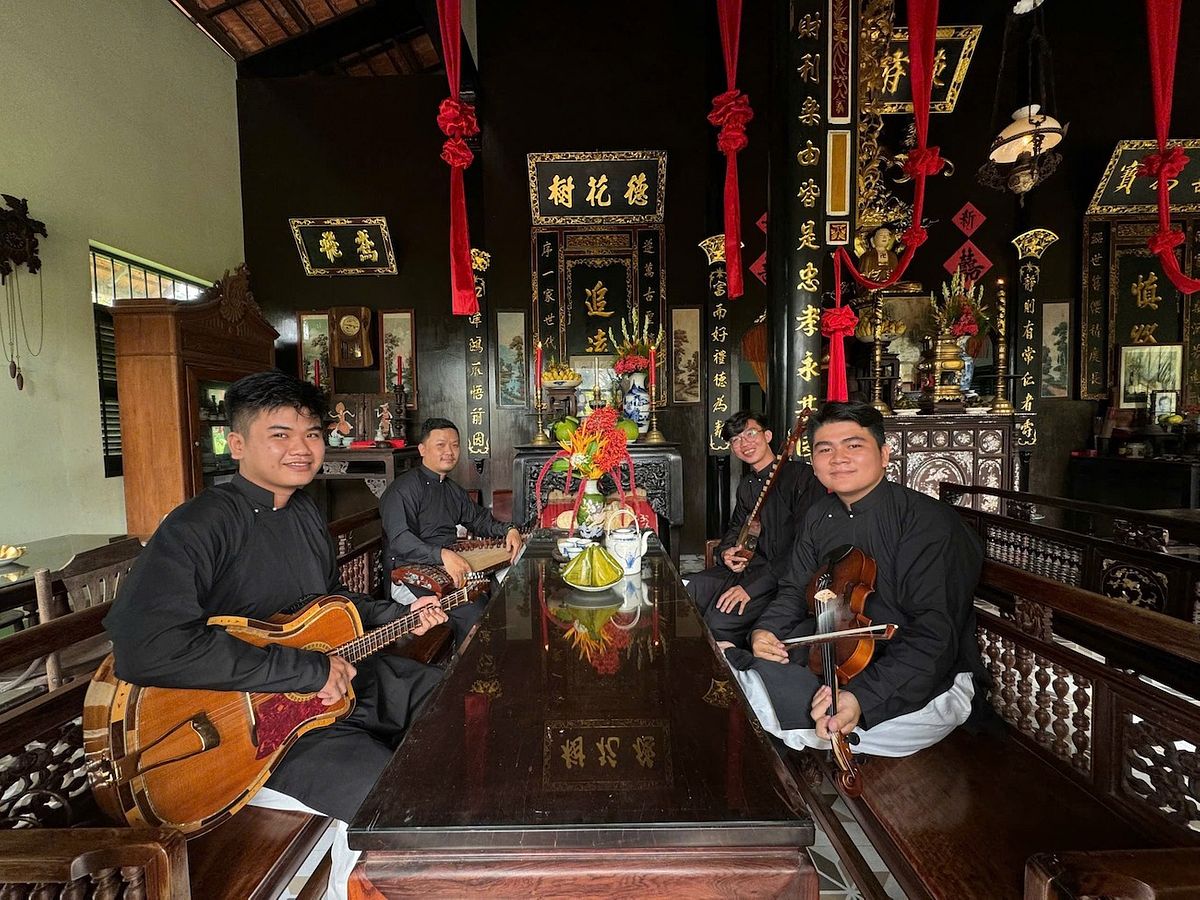
Through every time they perform, Đờn Ca Đó Đây has learned that the true value behind their music is not dependent on how it’s performed but whether it’s performed with sincerity and if it can bring people together. Đờn ca tài tử and cải lương will continue to exist in any space in the future if that spirit is treasured and sustained.
Written by Thảo Nguyên. Graphic by Ngàn Mai.
Share phrase
Source: saigonneer:
Reader Comments
Older articles
 Le Thuy – 50-Year Career in Performing
 The magic of the Vong Co song
 NS Hong Nga: Going to the US to live a difficult life, being neglected by her children, returning to Vietnam to be sick and lonely
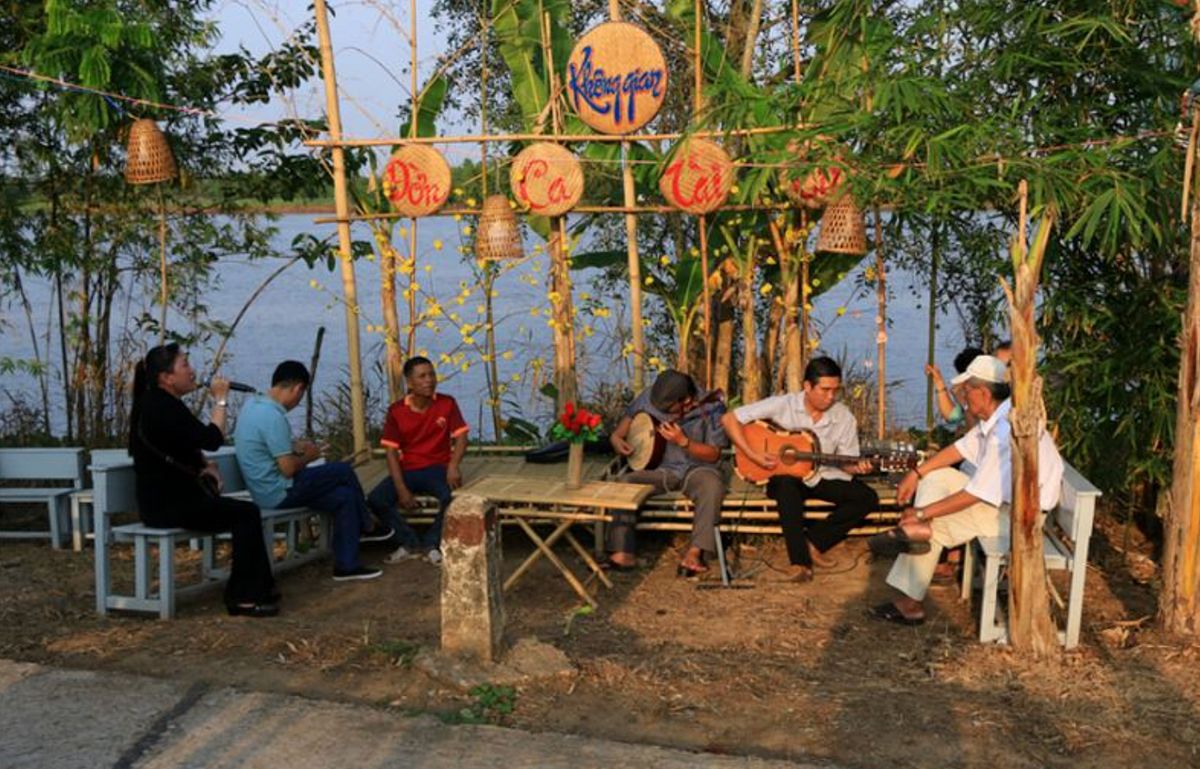 Đờn Ca Tài Tử Captures the Soul of Southern Vietnam in Every Melody, Every Word
 Dustin Nguyen jump starts his career and a new life
 Legendary cai luong singer Thanh Duoc passes away in US
 Actress Thanh Thanh Hoa – The Gold Medalist of the Prestigious Thanh Tam Award in 1961
 After Decades Under the Bed, a 1974 Vietnamese Film Finds an Audience Online
Đờn Ca Tài Tử Captures the Soul of Southern Vietnam in Every Melody, Every Word
After Decades Under the Bed, a 1974 Vietnamese Film Finds an Audience Online
Đờn Ca Tài Tử Captures the Soul of Southern Vietnam in Every Melody, Every Word
 THE SURVIVAL OF THE TRADITIONAL MUSIC (NHAC CO TRUYEN)
From TikTok to Bars, a Group of Young Artists Brings Đờn Ca Tài Tử to Unexpe
THE SURVIVAL OF THE TRADITIONAL MUSIC (NHAC CO TRUYEN)
From TikTok to Bars, a Group of Young Artists Brings Đờn Ca Tài Tử to Unexpe
 Two Vietnamese films compete at Da Nang Asian Film Festival 2026
 ACV Proposes Moving 90% of Saigon's Oversea Flights to Long Thanh
 22nd Anniversary Birthday Cake for the Website cailuongvietnam.com
 "Love Story," a journey back to the stage memories of Meritorious Artist Ngoc Huyen.
 Inside Chôl Chnăm Thmây, the Festive New Year of Saigon's Khmer Community
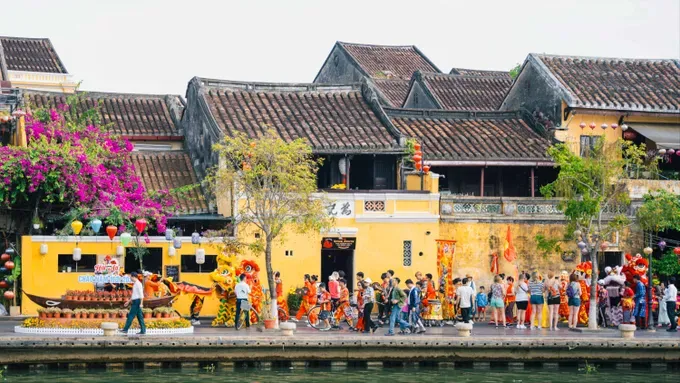 Nguyen Tieu Festival held in Hoi An
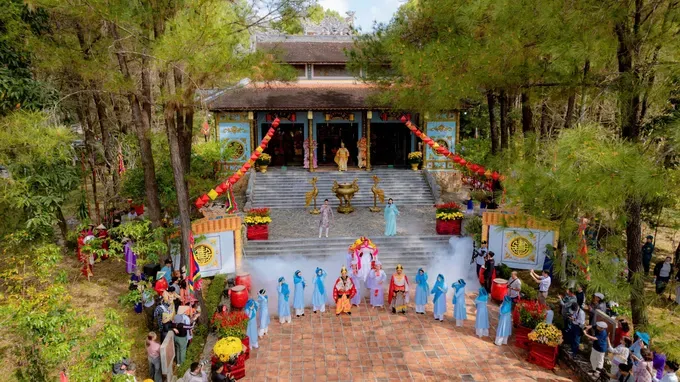 Princess Huyen Tran Festival opens in Hue
 Every Bánh Chưng Season, Vietnam’s Lá Dong Capital Comes Alive With Harvest Frenzy
 Fireworks to illuminate 16 locations across HCMC on Lunar New Year’s Eve